Cooking Appliance Guide
Everyday cooking, simplified
Cooking Appliance Guide
Compare countertop ovens, grills, griddles, multicookers, and other compact cooking tools by the meals you actually make.
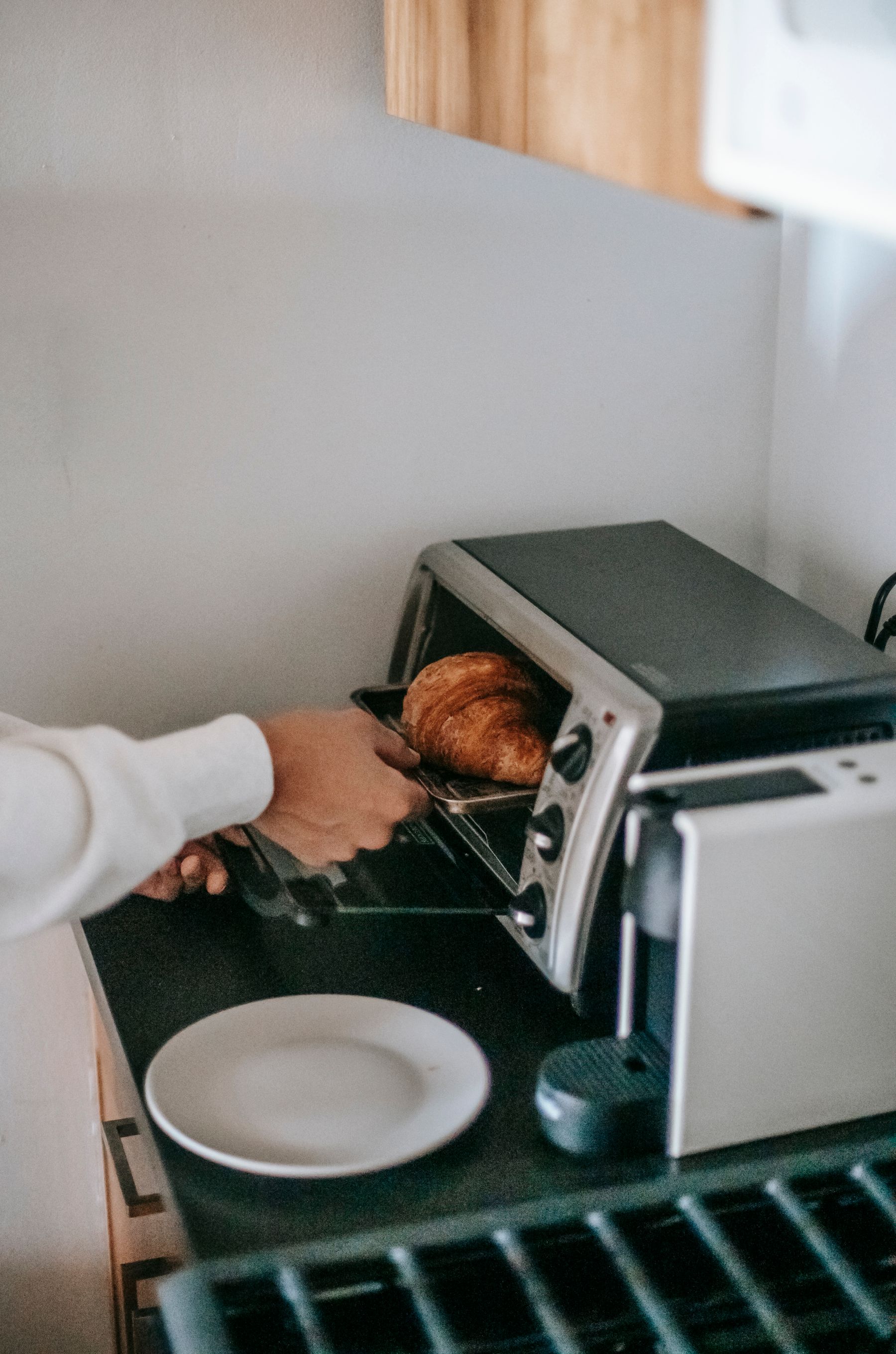
Choose well
Choose by cooking job, not feature count
A useful appliance should solve a frequent task, fit the available counter and storage space, and be simple enough to clean after a normal weekday meal.
Primary cooking method
Decide whether you need dry heat, contact cooking, steaming, slow cooking, pressure cooking, or several functions in one unit.
Usable cooking area
Check internal dimensions, plate area, or pot capacity against your cookware, portion size, and preferred recipes.
Power and placement
Confirm outlet access, cord position, required ventilation, and whether the surface below can handle the heat described in the manual.
Cleanup pattern
Removable trays, accessible hinges, grease channels, and dishwasher-safe parts can make frequent use easier.
First-use plan
Set up with a clear sequence
Product instructions always take priority. These steps help organize the process before normal use.
Inspect before use
Remove all packing materials, inspect the cord and cooking surfaces, and make sure every part is correctly seated.
Clean approved parts
Wash only the removable components identified by the manufacturer and dry them completely.
Set up the cooking zone
Use a stable surface, protect the surrounding area from heat and steam, and keep vents unobstructed.
Learn one function first
Start with a simple, familiar food so you can understand heat response, timing, and cleanup before combining modes.
Everyday technique
Small habits, more repeatable results
- Prepare before heating: Have ingredients, utensils, and a safe landing place for hot components ready before the appliance reaches temperature.
- Use compatible cookware: Only use trays, inserts, lids, or utensils approved for the model and cooking mode.
- Allow for carryover heat: Food and cooking plates can continue releasing heat after the unit switches off.
- Watch steam direction: Open lids and cooking chambers away from your face and hands, following the manual.
- Avoid overloaded outlets: Use an appropriate wall outlet and follow the electrical guidance supplied with the appliance.
- Keep a small use log: Record successful portion, time, heat, and accessory choices for repeatable results.
Always follow the appliance manual, food-safety guidance, and any recipe-specific instructions. Stop using an appliance that appears damaged or operates unexpectedly.
Care routine
Clean, dry, inspect, store
Build these checks into the end of each use so the appliance is ready for the next task.
- Cool and unplug the appliance before routine cleaning.
- Empty crumb, grease, or condensation collectors after use.
- Avoid metal tools on nonstick or coated cooking surfaces.
- Wipe the exterior and controls with a soft, lightly damp cloth.
- Store accessories together without pinching the power cord.
Helpful answers
Frequently asked questions
Clear answers for confident everyday use.
Which cooking appliance is most versatile?
Versatility depends on your meals. List the three cooking tasks you repeat most often, then compare only appliances that perform those tasks well and fit your space.
Can a countertop appliance share an outlet?
Follow the electrical instructions for the product and avoid arrangements that exceed outlet or circuit capacity. If unsure, consult a qualified electrician.
Why does cooking time differ from a recipe?
Appliance design, food quantity, starting temperature, cookware, and room conditions can affect timing. Check food safely and adjust in small steps.
Can I leave a cooking appliance unattended?
Stay nearby and follow the supervision instructions in the manual. Keep children, pets, cloth, paper, and other heat-sensitive items away from the cooking area.
What if the appliance gives off smoke?
Switch it off and unplug it if safe to do so. Let it cool, inspect for food or grease residue, and consult the manual. Do not continue using a damaged unit.
How do I reduce stored-appliance odors?
Clean and fully dry removable parts, empty collectors, and store the unit with airflow where the manual permits. Never seal damp parts together.
HearthNexa support
Still deciding or troubleshooting?
Share the appliance type, model information, what you expected, and what happened. For order questions, include your order number.